Webdevelopment, UX design — January 2016
- Role
- Client
- Date
- Website
Making a difficult journey understandable
Rehabilitation can be difficult to comprehend while you're in the middle of it.
There are different stages, setbacks, treatments and goals, but the patient experiences everything from inside their own situation.
Instead of trying to recreate that emotional experience, we deliberately moved away from it.
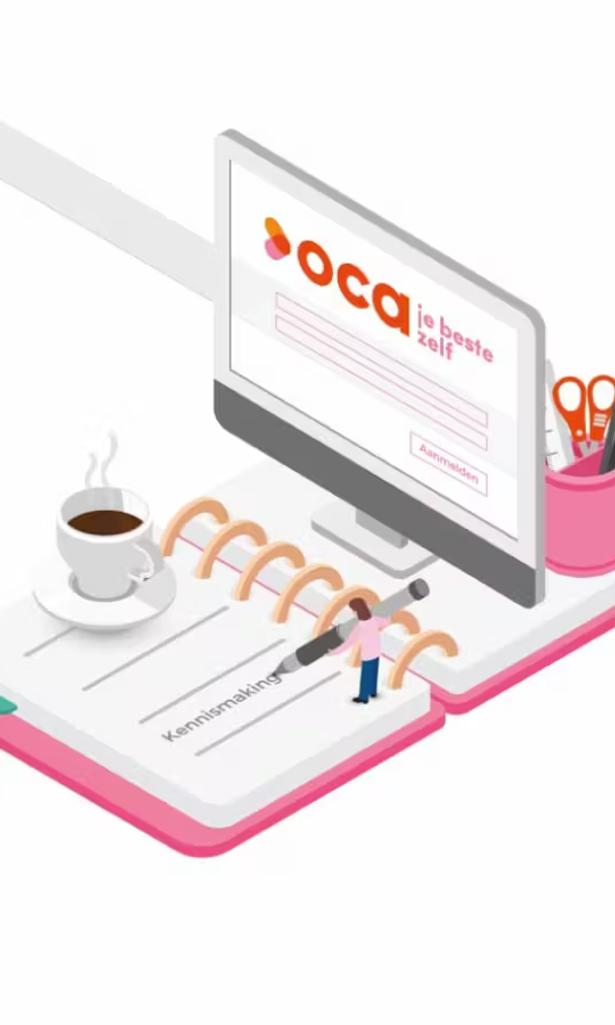
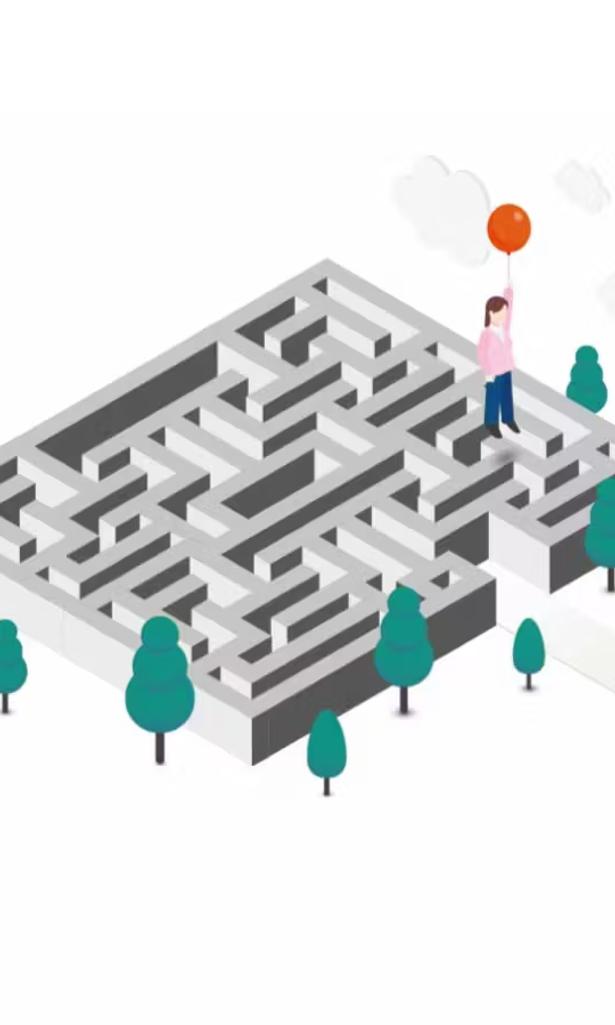
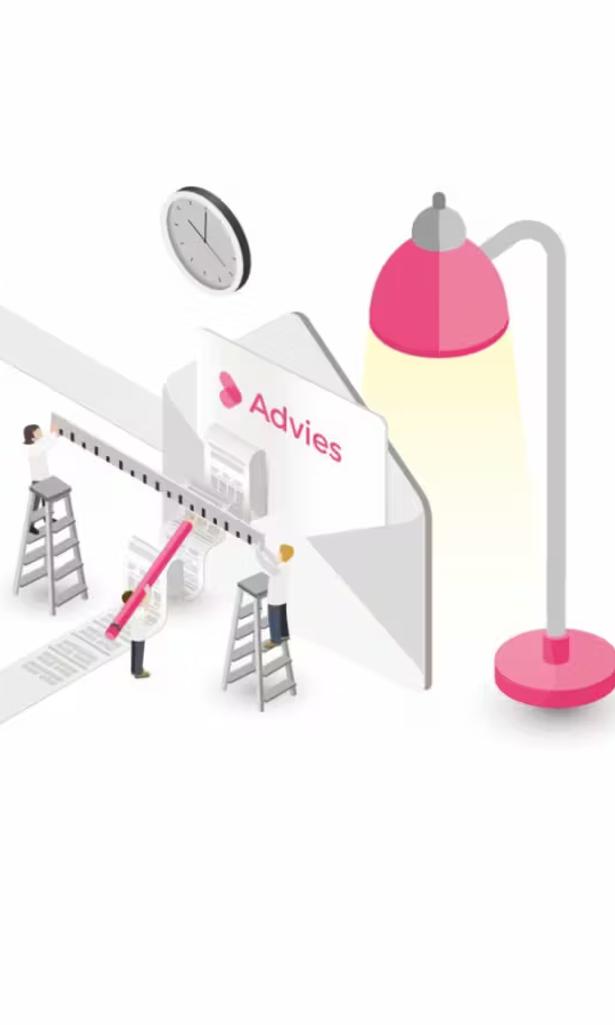
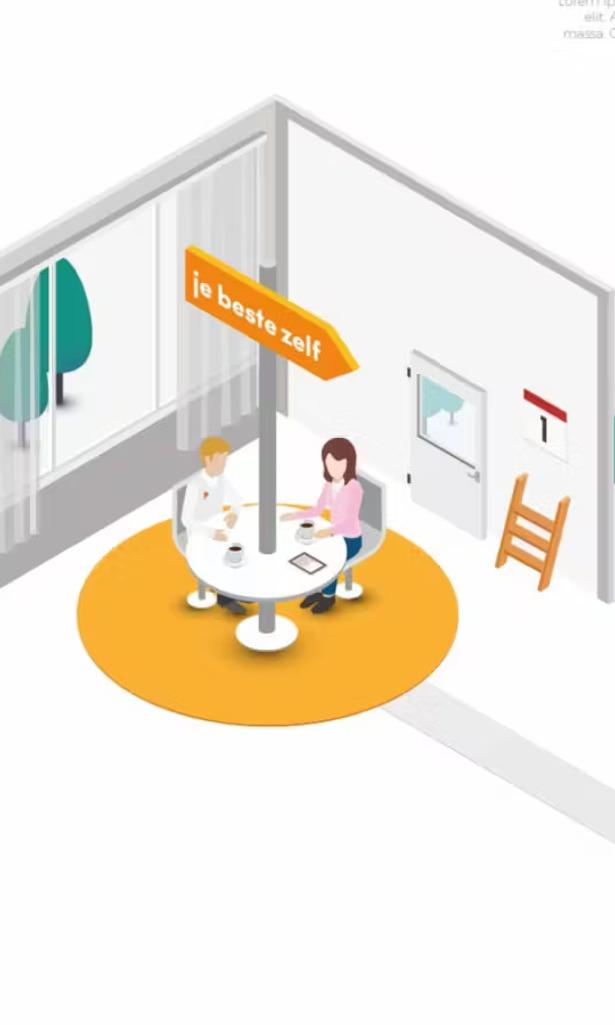
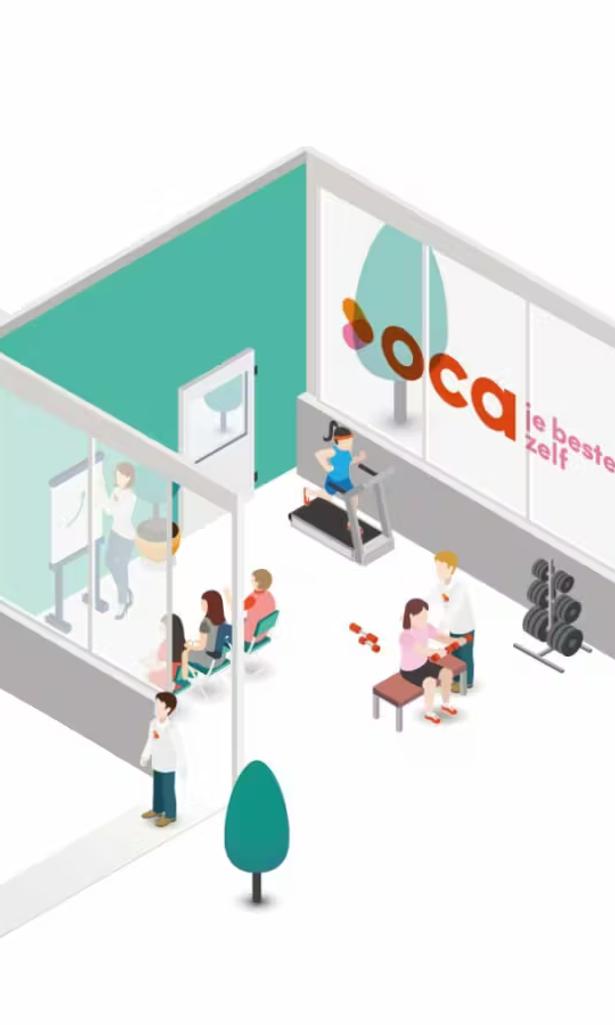
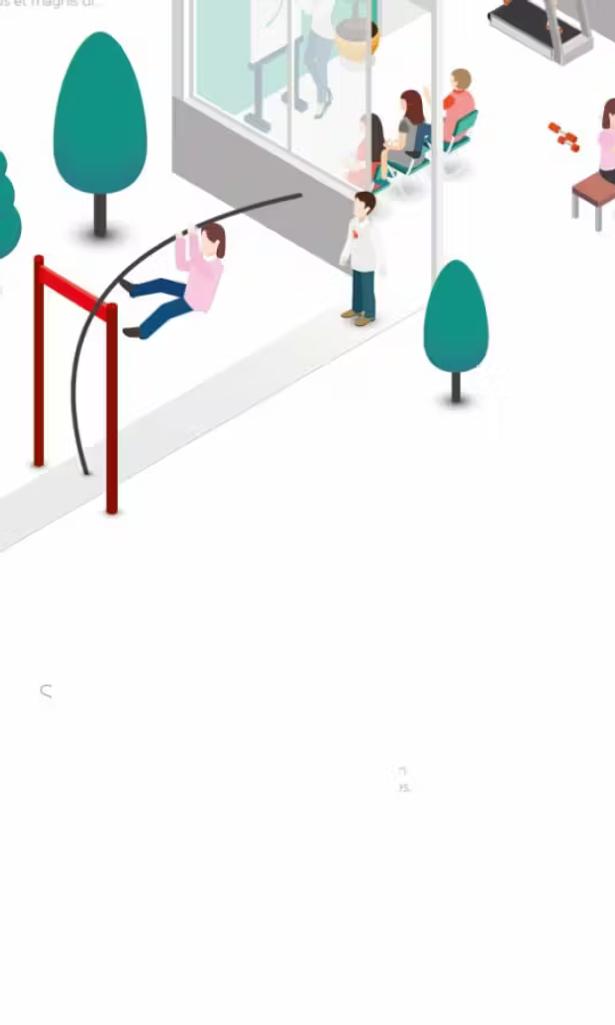
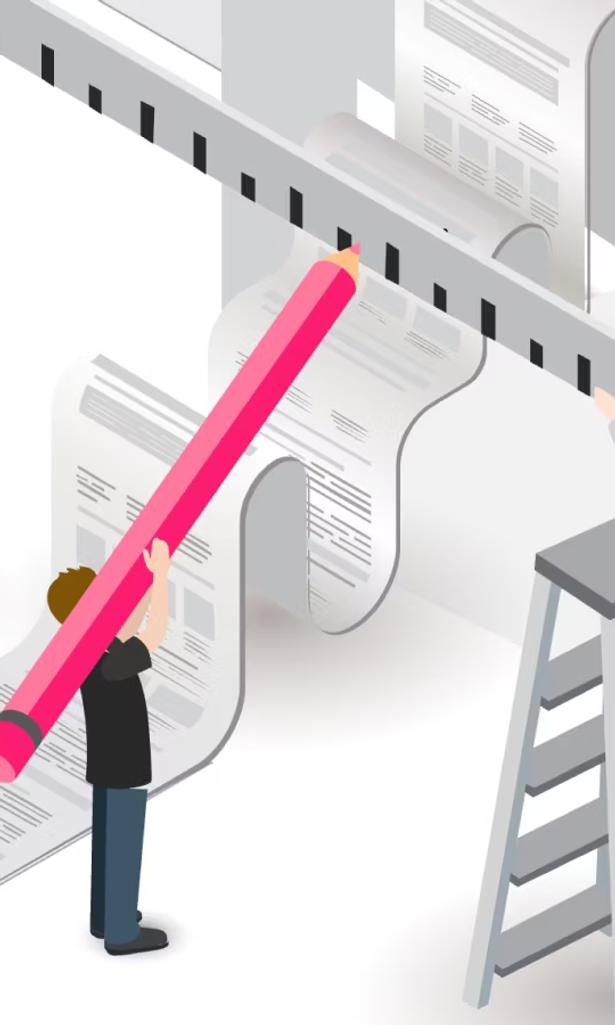
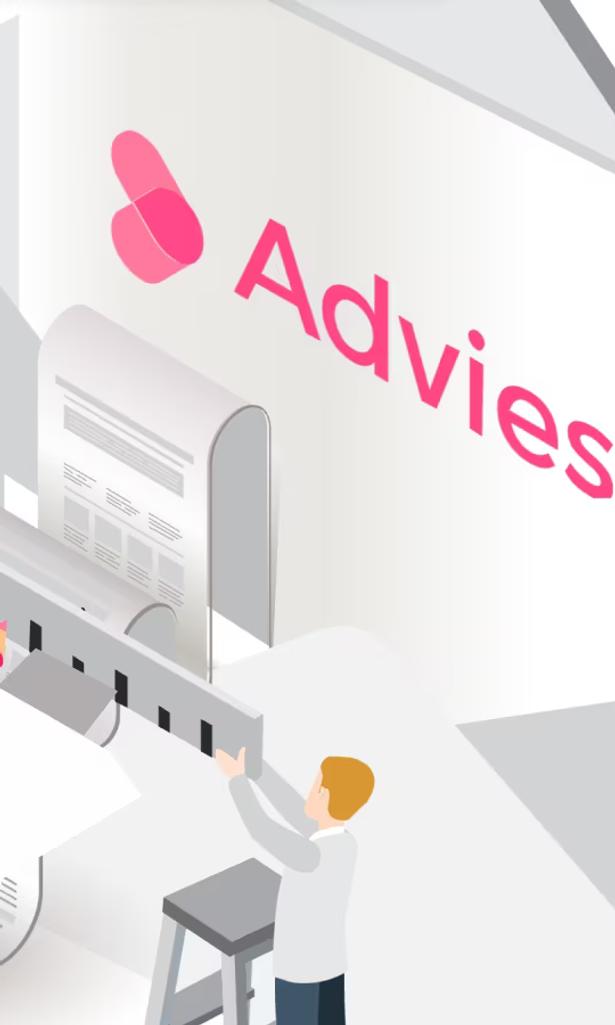
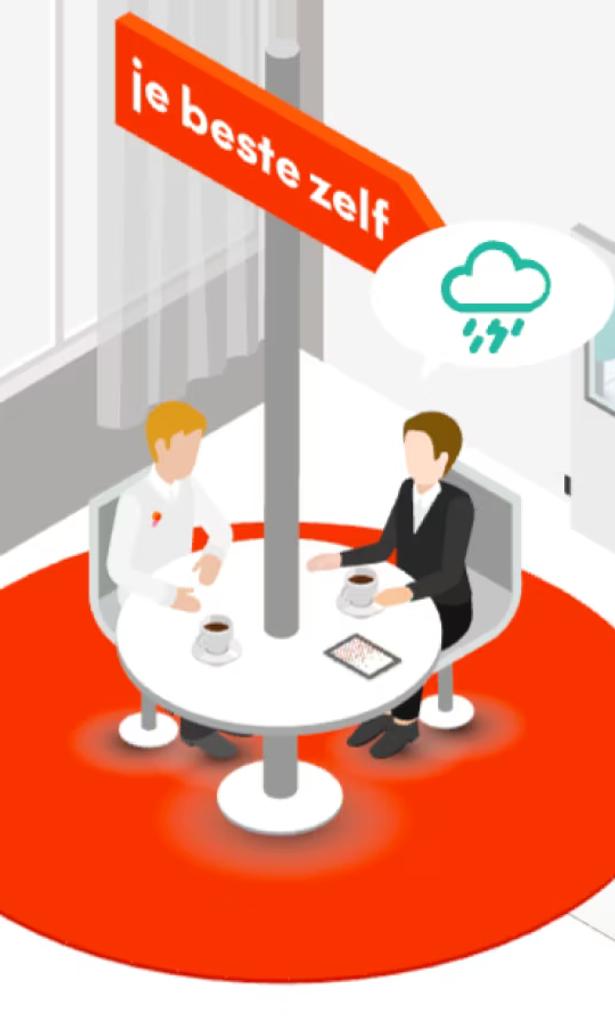
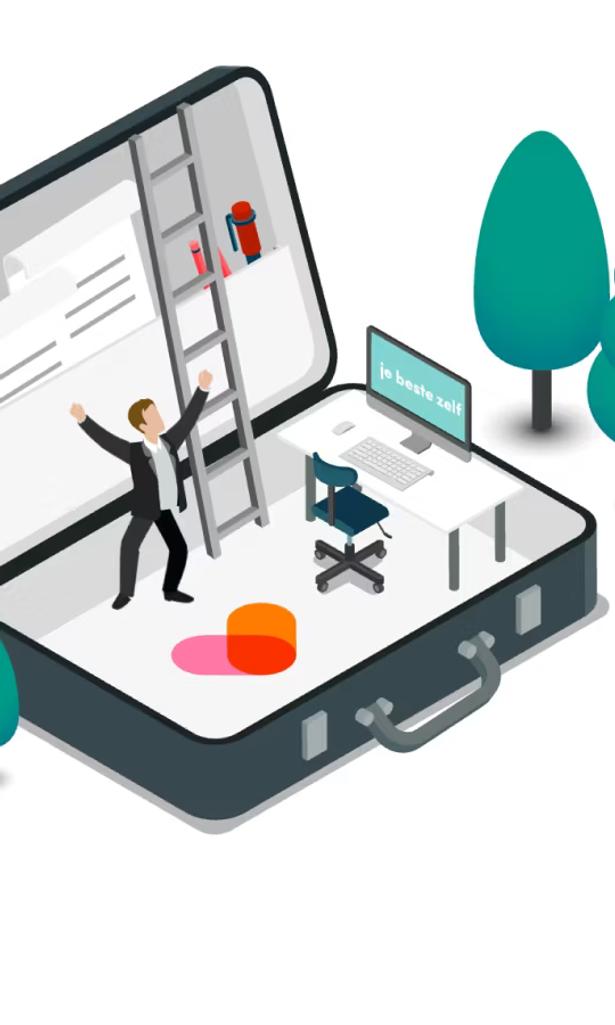
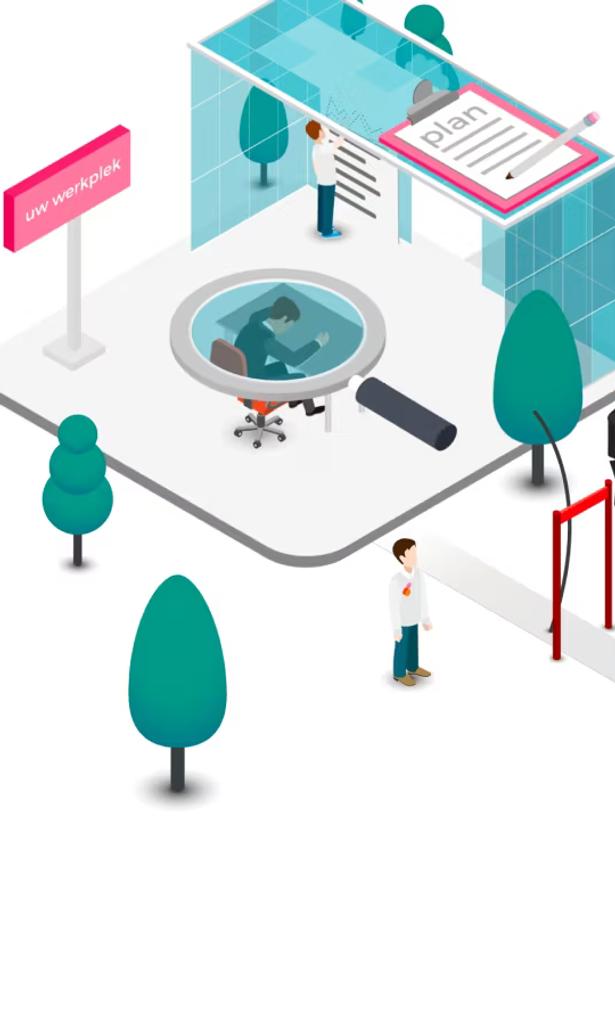
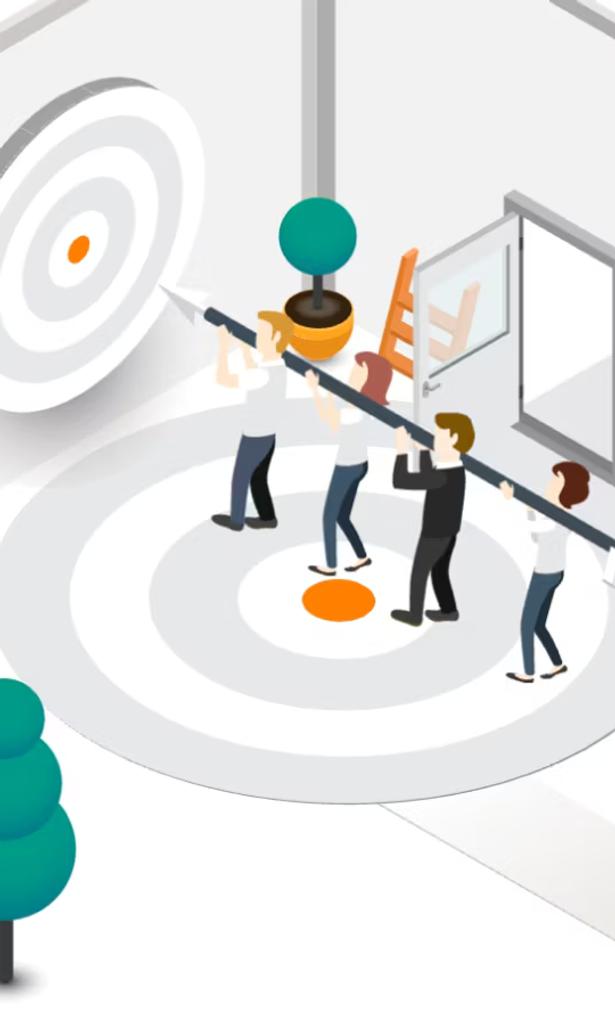
The animations show the rehabilitation process from above, almost like a helicopter view.
The patient can see where they are, where they have been and where the process is trying to take them.
The goal wasn't to tell patients how they should feel. It was to help them understand where they were.
Creating distance instead of simulating emotion
Part of the thinking behind the concept was inspired by I'm OK, You're OK by Thomas A. Harris and its description of stepping outside an immediate emotional reaction to look at a situation more rationally.
I had experienced the value of this change in perspective personally and became fascinated by the idea of translating it into interaction and visual storytelling.
Rather than placing the viewer directly inside the patient's emotional state, I used animation to zoom out.
It became a design hypothesis: if we could make the process visible from a distance, perhaps an overwhelming journey could become a sequence of understandable steps.
The animation therefore wasn't intended to say:
We know how you feel.
It was closer to:
This is where you are. This is the process around you. And this is how we are trying to help you move forward.
Why animation
At the time, animation was the part of design I enjoyed most.
But OCA showed me why I enjoyed it.
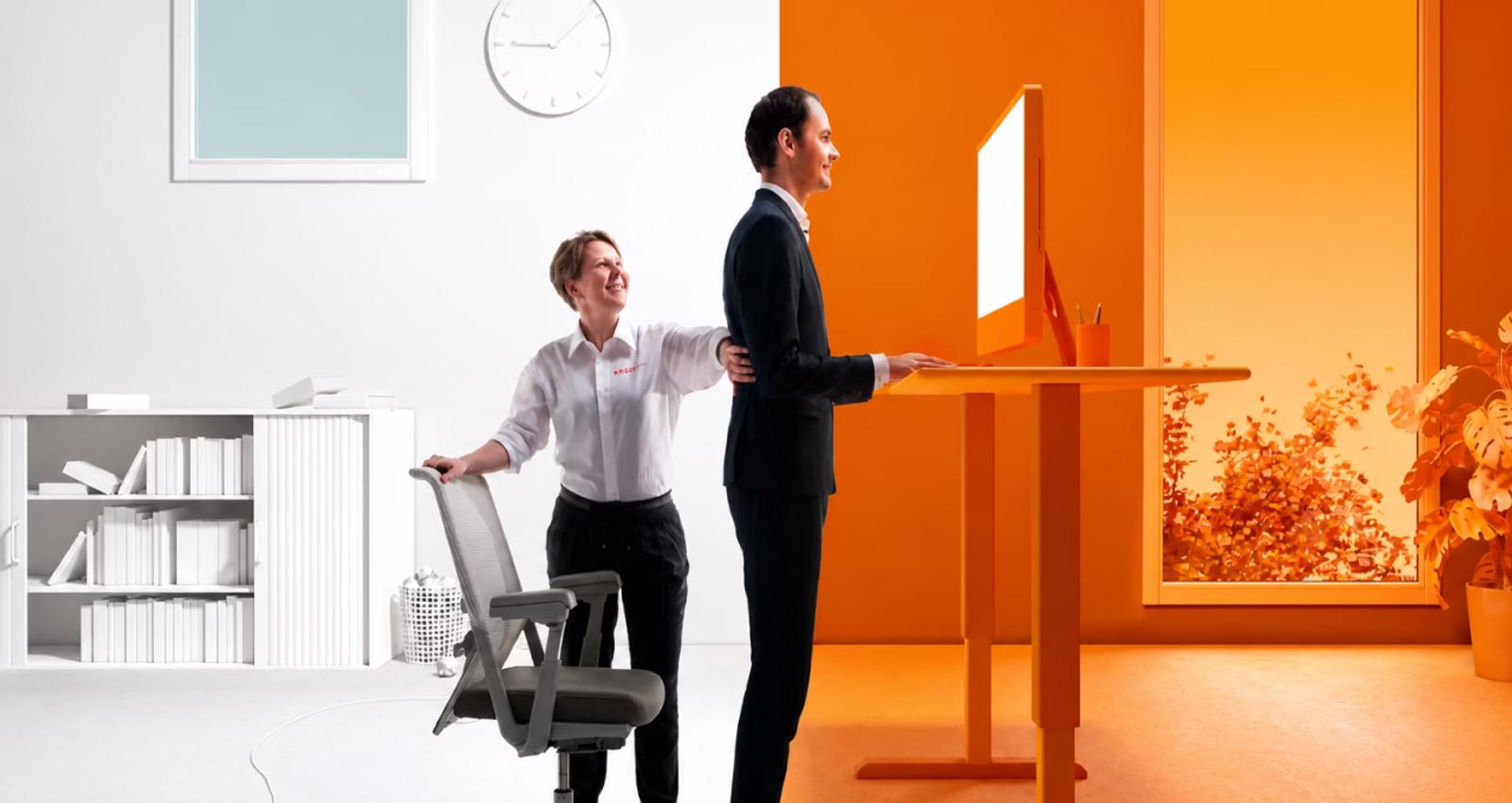
Animation allowed me to control time, perspective, rhythm and attention simultaneously. Weeks of rehabilitation could be compressed into seconds. A complicated process could be broken into steps. The camera could change perspective exactly when the story required it.
A light visual language also allowed us to discuss a serious subject without making the experience unnecessarily clinical or heavy.
It was not animation added for decoration.
The movement was the explanation.
Finding flow
I became completely absorbed in making the project.
Web animation was changing quickly at the time, and tools such as Adobe Edge Animate were making it possible to build sophisticated motion directly for digital experiences.
For two weeks I found myself losing track of time while designing, animating and refining the experience.
It didn't feel like I was simply producing visual assets for somebody else.
I was thinking about a person, deciding what I wanted them to understand, choosing a perspective and then using technology, interaction, timing and visual design to create that change in understanding.
That distinction changed something for me.
Becoming an interaction designer
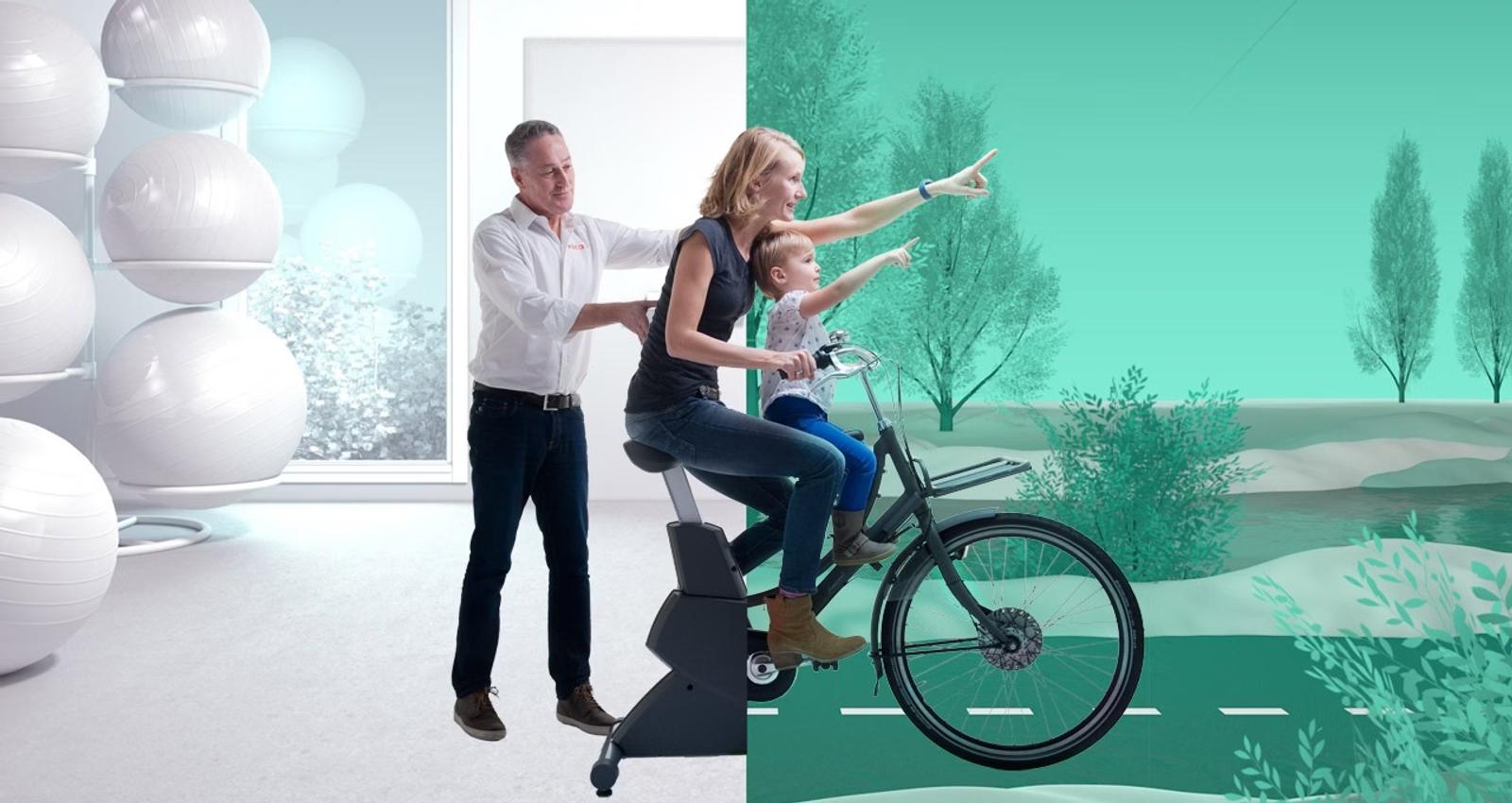
OCA helped me realize that what interested me most wasn't animation itself.
It was designing experiences around people.
I wanted to understand how an interface, a story, movement or game could change the way someone understood something.
Not long afterwards, I went to the University of the Arts Utrecht to study Interaction Design and started exploring digital experiences through applications, games and interactive storytelling.
Many of the things I work on today are technologically very different from OCA.
The question underneath them is still remarkably similar:
What should someone understand, feel or do differently after experiencing this design?
More projects