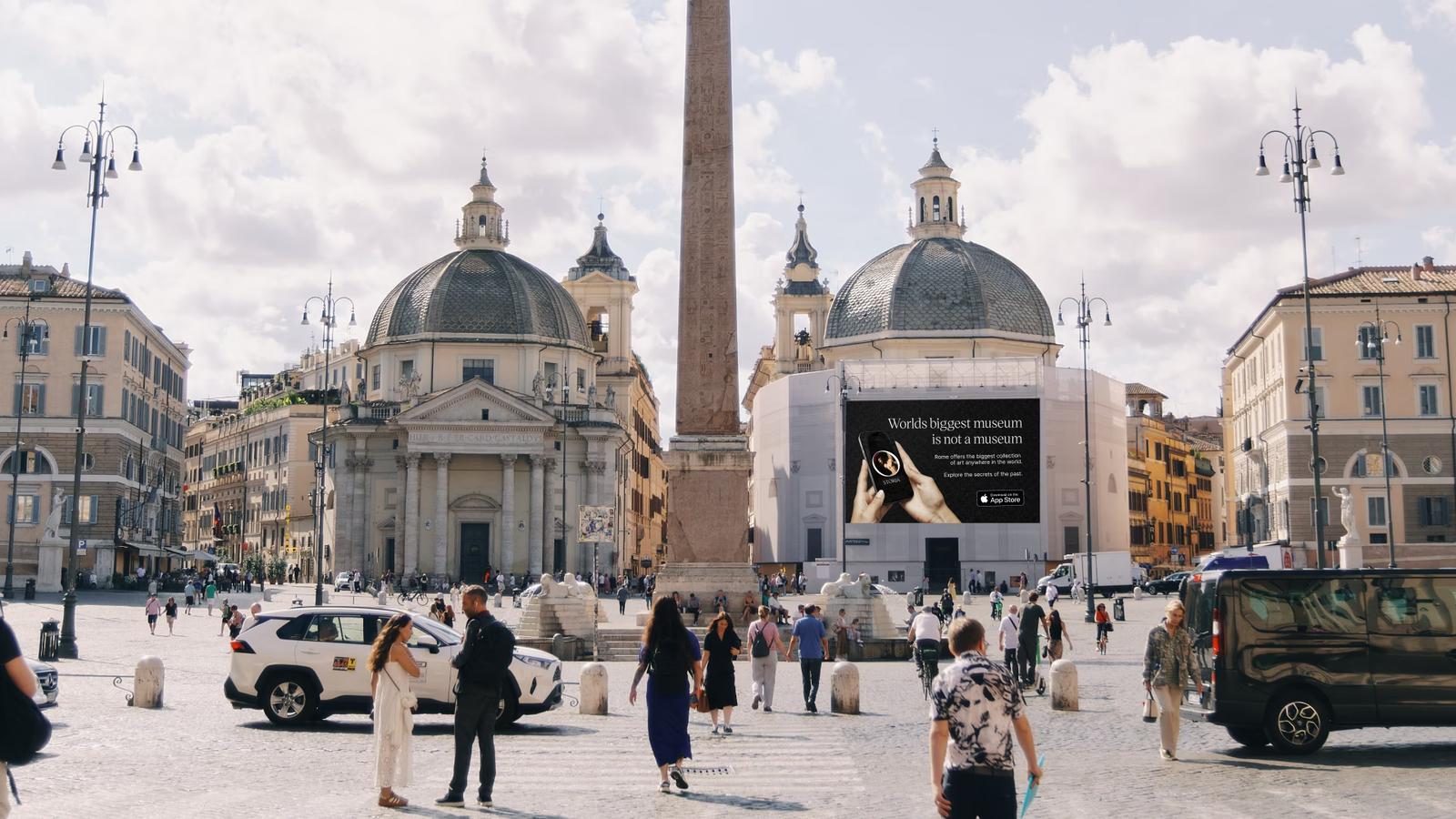
At the moment Bart is working on Storia and the History Portal, two projects centered around making art, culture and history more engaging through interaction and storytelling. He is fascinated by old streets, monuments and his aim is to showcase the beauty of culture through educative experiences.
It started with a disco ball
Bart’s fascination with immersive experiences started long before he knew what interaction design was.
As a child, he organised disco parties in the living room. A 90s Cher song, a spinning disco ball and a little imagination could suddenly transform an ordinary room into an entirely different world.
What fascinated him most was not just the experience itself, but the idea that an atmosphere could be deliberately created for someone else.
That curiosity would later become an important part of his work as a designer.
A disco he would later organise when he had someone to film the thing.
Finding a way into design
After high school, Bart initially followed his father into the world of IT. It gave him a technical foundation, but during his internships he discovered that he was far more interested in what happened when technology, design and people came together.
That eventually led him to the Grafisch Lyceum Utrecht, where he studied Allround Desktop Publishing.
There he worked across animation, print and digital media, and began exploring how design could guide attention, communicate information and influence the way people experience content.
Design became less about making something look good and more about shaping how something is understood.
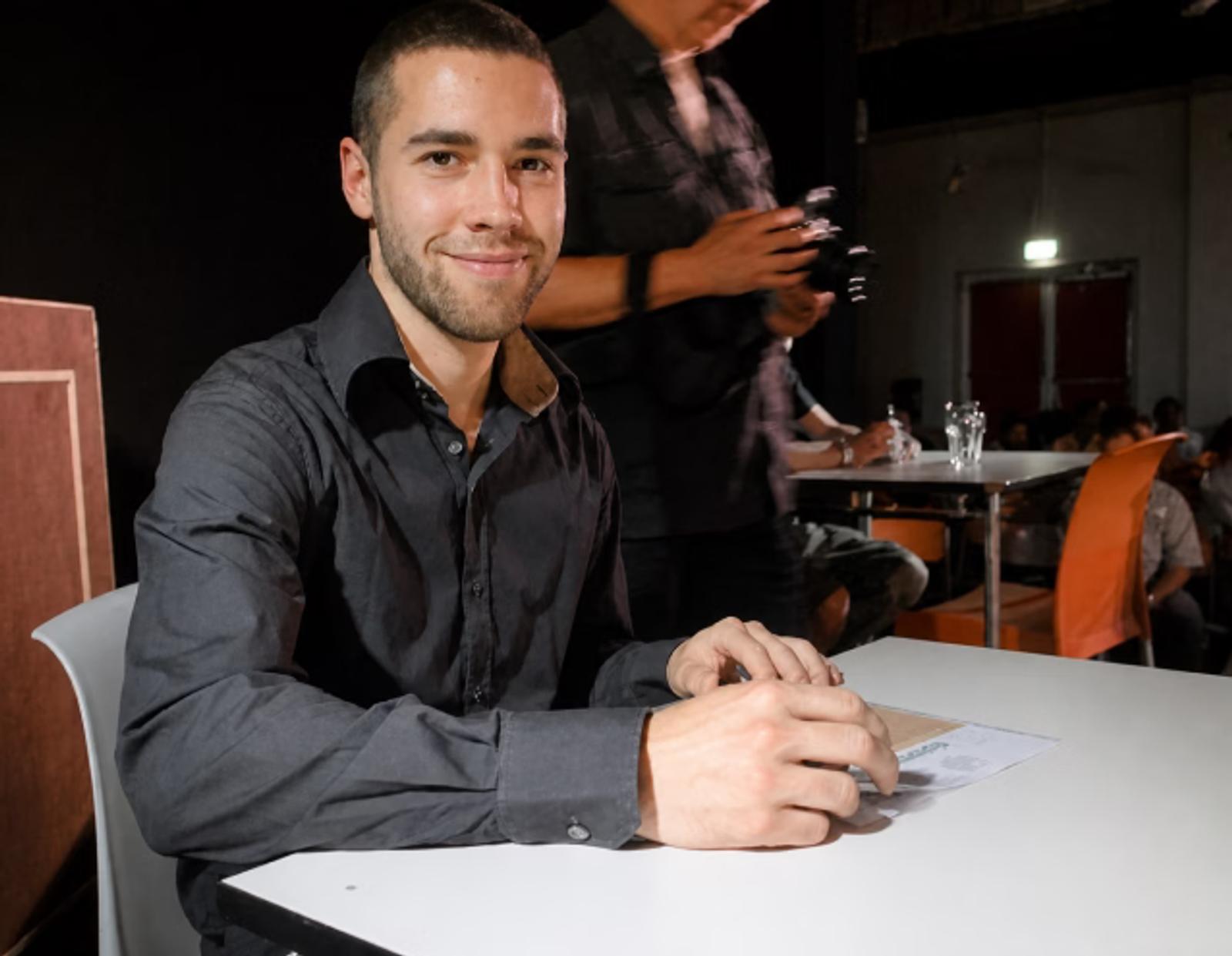
Early professional life
Bart’s professional career started in marketing and communication.
One of his first larger projects was the creation of an informative website for Glaswand.nl. From there, his work gradually shifted further towards web design and freelance development, primarily creating WordPress websites for different organisations and businesses.
Freelancing gave him the freedom to work across disciplines and collaborate directly with the people behind a company or organisation.
One project in particular influenced the direction of his work.
For OCA, Bart collaborated on an animated storytelling project that visualised the recovery journeys of patients.
The project brought together storytelling, animation, information and human experience in a way he had not encountered before.
It made him want to explore interaction design on a much deeper level.
At 28, he returned to school.
Studying Interaction Design at HKU
At HKU University of the Arts Utrecht, Bart studied Interaction Design and began approaching design much more from the perspective of the person experiencing it.
His work explored subjects such as robotics, gamification, storytelling and interactive experiences. One of the area’s he came into love with was Virtual Reality experiences. Later he would use this medium to create artistic experiences.
He also helped organise Drop the Milk, a festival in Utrecht that experimented with new ways of bringing modern art to life.
During this period, his understanding of digital design expanded considerably.
A website no longer had to be a collection of static pages. An interface could teach, respond, surprise or tell a story. Technology could become an active part of an experience instead of simply being the mechanism behind it.
Good interaction design does more than present information. It creates the conditions for curiosity.
Agency work
After university, Bart worked at several design agencies, creating digital experiences for a wide range of brands and organisations.
Alongside designing the final products, he became increasingly interested in the process that happens before the design begins.
Workshops, conversations and research often revealed that the initial request was not always the actual problem that needed to be solved.
From his earlier freelance work, Bart developed the Brand Thinking Canvas, a framework used during collaborative sessions to explore the relationship between a brand, its audience and the experience being created.
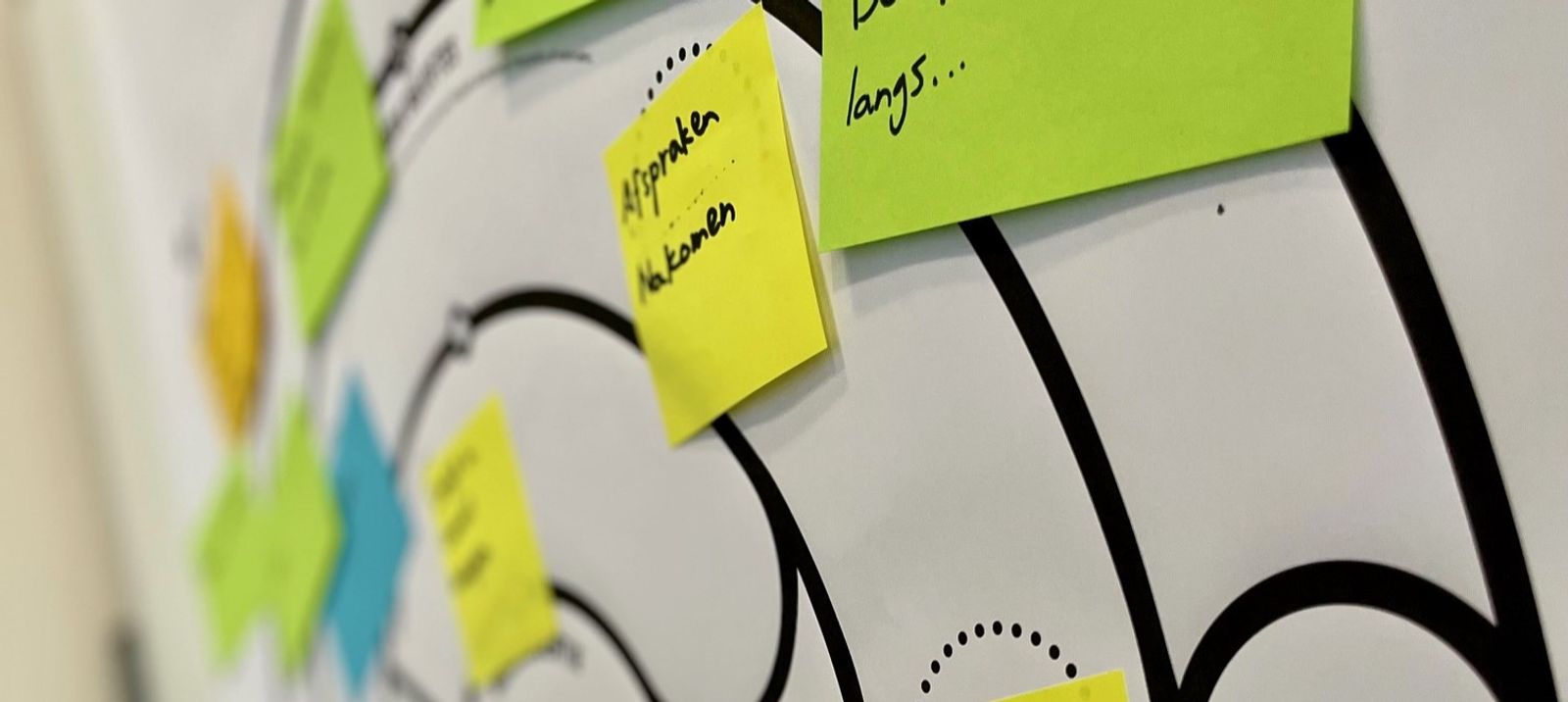
The approach helped turn abstract conversations into clearer design decisions, while keeping the needs of the end user at the centre of the process.
Designing for art, culture and education
Over time, Bart’s work has increasingly moved towards projects where interaction design can help transfer knowledge.
His main interests now sit at the intersection of art, history, storytelling and technology.
Cultural heritage is often presented as something static: an object behind glass, a paragraph on a wall or a date in a textbook.
Bart is interested in what happens when that information becomes interactive.
A painting can become the beginning of a story.
A historical event can become a decision.
A city can become an interface for discovering the people and ideas that shaped it.
These ideas form an important part of the projects he is developing today.
Making the past easier to explore
Bart’s work is driven by a simple idea: people are more likely to remember something when they actively engage with it.
Technology itself is rarely the most interesting part. Its value lies in what it allows someone to discover, understand or experience.
Within art, culture and history, interaction design can help transform knowledge from something people simply receive into something they actively explore.
We inherit an enormous amount of knowledge, art and experience from the people who came before us. The challenge is to make that heritage accessible, engaging and worth exploring again.
Current work
Today, Bart combines interaction design, development and storytelling across independent projects and client work.
His current focus is increasingly centered around cultural and educational experiences, particularly projects where technology can make complex or historical subjects more approachable.
Whether through interactive storytelling, digital products, animation or spatial experiences, the goal remains largely the same:
Creating experiences that make people curious enough to keep exploring.